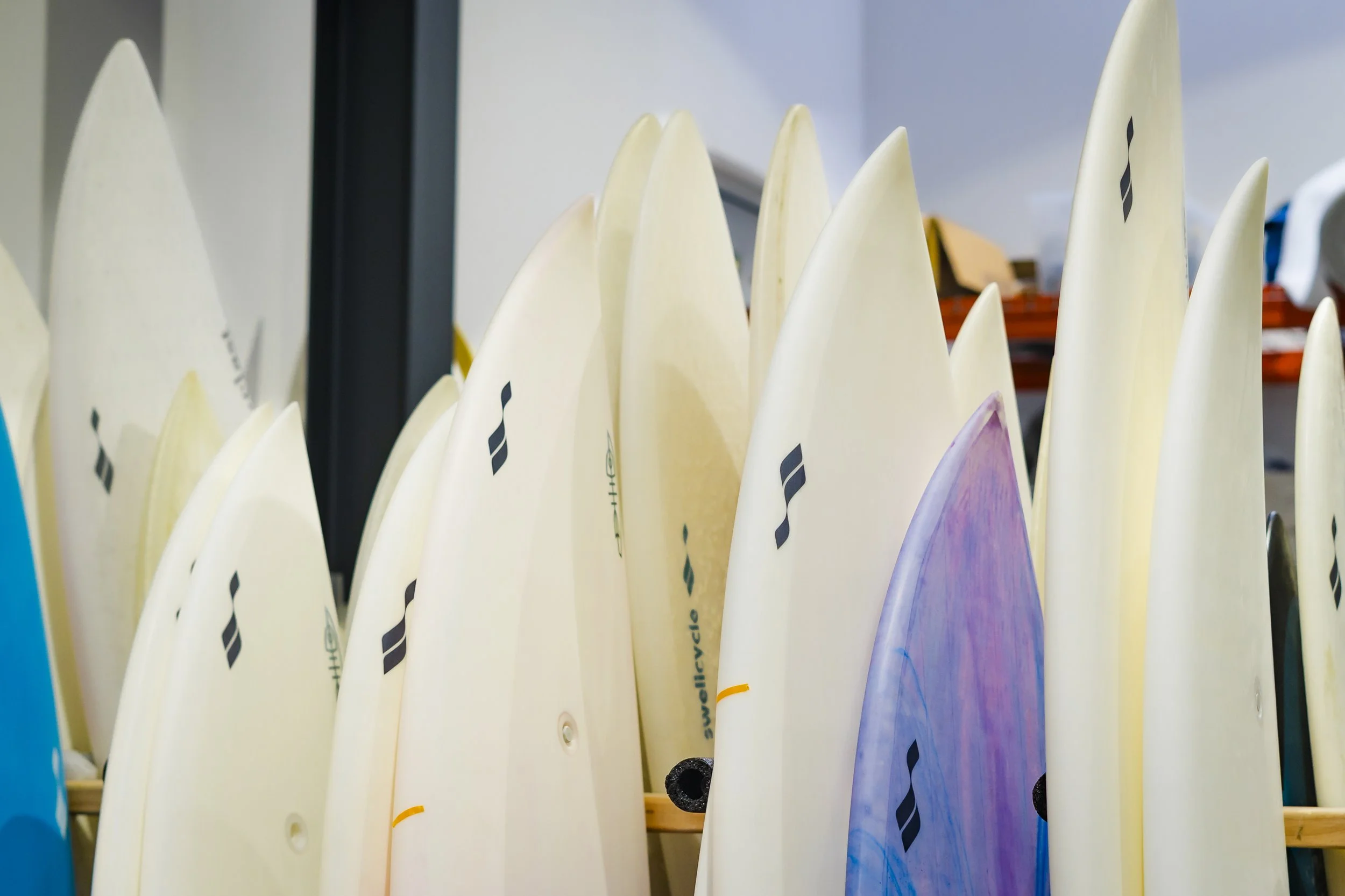
PLANT-BASED 3D-PRINTED BOARDS
100% Built in Santa Cruz, California, USA


Swellcycle™
x AkuShaper
Turn your Aku file into a 3D-printed surfboard with Swellcycle
Swellcycle offers 3D-printing services that allow AkuShaper users to turn their designs into high-performance, sustainable surfboards.
Based in Santa Cruz, CA, USA, Swellcycle works from Aku files to print hollow surfboard cores using plant-based material, with the option for professional glassing and finishing.
Whether you are a shaper, designer, or first-time digital user, Swellcycle provides a practical way to bring your Aku file to life.
How it works
Design your board in AkuShaper
Create your board as you normally would in Aku.Export your design
Once your file is ready, export it (igs file) and send it to Swellcycle.Discuss the build
Swellcycle can help review the design and discuss internal structure options to tailor the flex and feel of the board.Printing
The board is 3D-printed as a hollow core based directly on the Aku design.Finishing
The printed core goes through light cleanup and sanding before lamination.
Glassing
Swellcycle can provide professional glassing and finishing, or supply the printed core to experienced professionals who want to laminate it themselves.
To start a project, send your Aku file to [email protected].
With 3D-printing, the design created in AkuShaper becomes the final board shape being surfed. Unlike a foam blank workflow, there is no hand shaping after printing, aside from light sanding and cleanup before lamination.
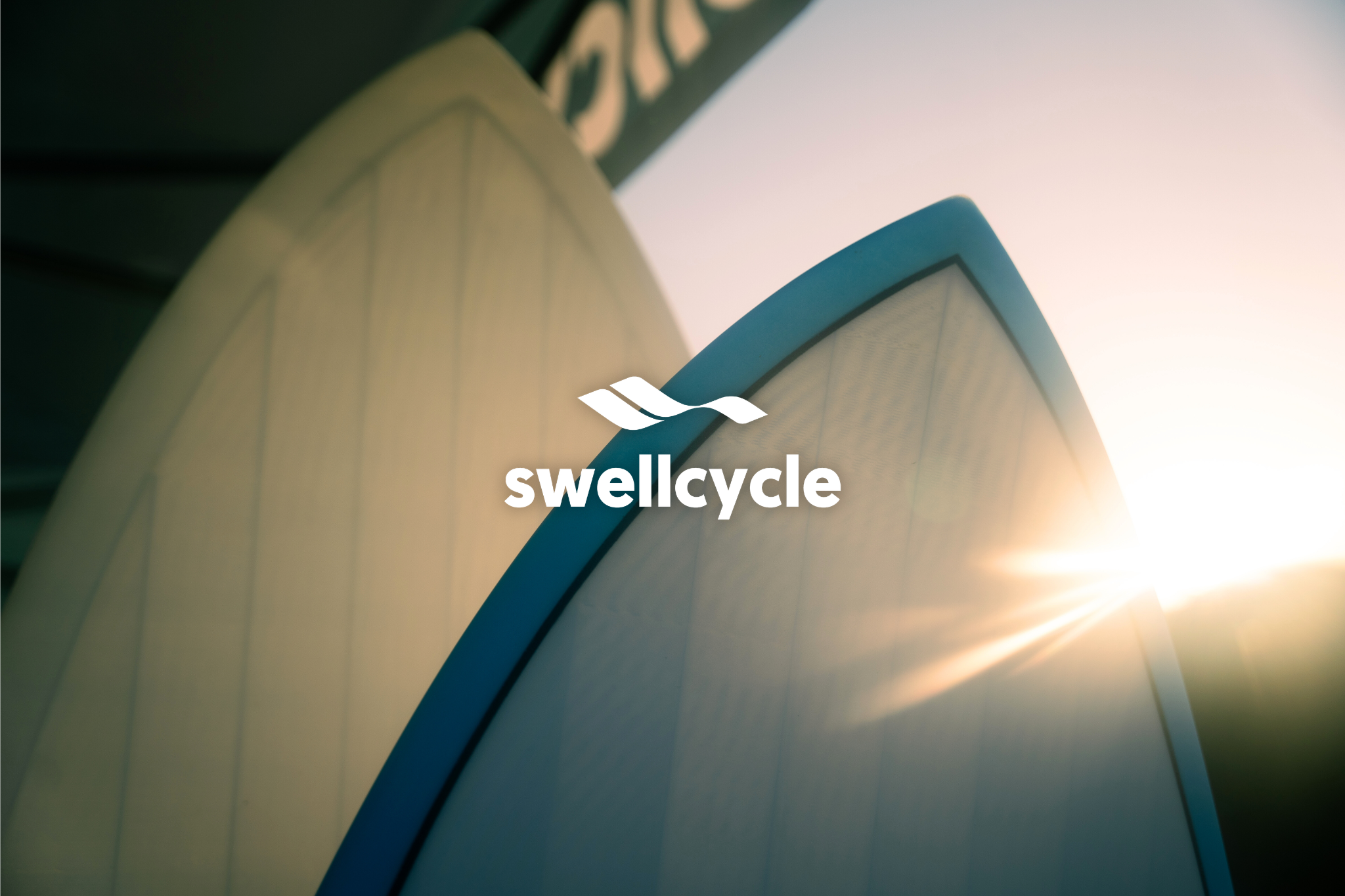
What happens after printing?
Once printed, the board is already very close to its final shape. No hand shaping is needed after printing, aside from light sanding and cleanup to prepare the surface for lamination.
The core is then laminated in a workflow similar to a traditional surfboard build. Swellcycle recommends epoxy resin and uses bio-based epoxy in its own process.
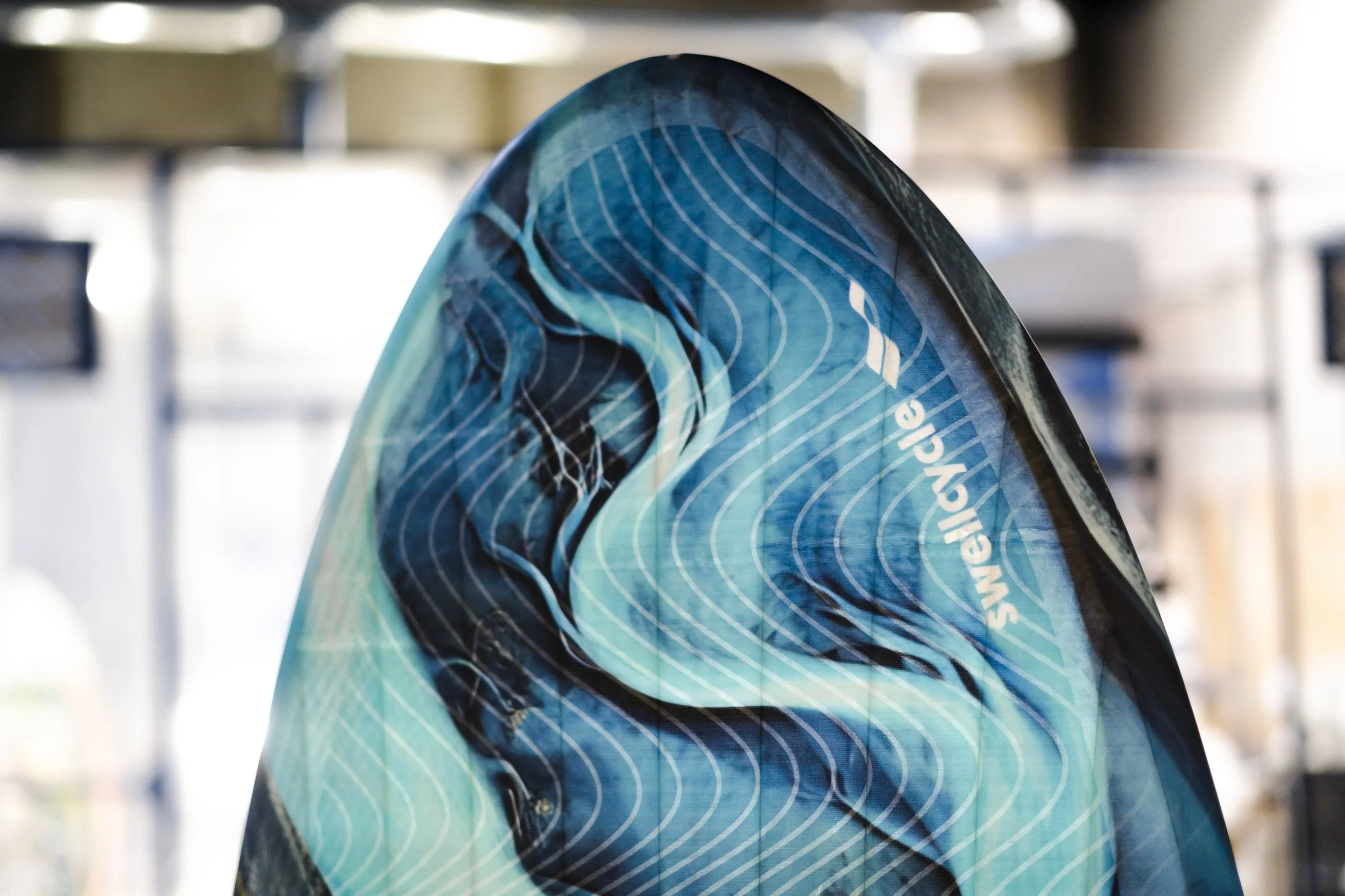
What material is it made from?
Swellcycle’s 3D-printed surfboard cores are made from sugarcane-based PLA, a plant-based, non-petroleum material.
This gives shapers and surfers access to a renewable material pathway while maintaining a highly precise digital-to-physical workflow.
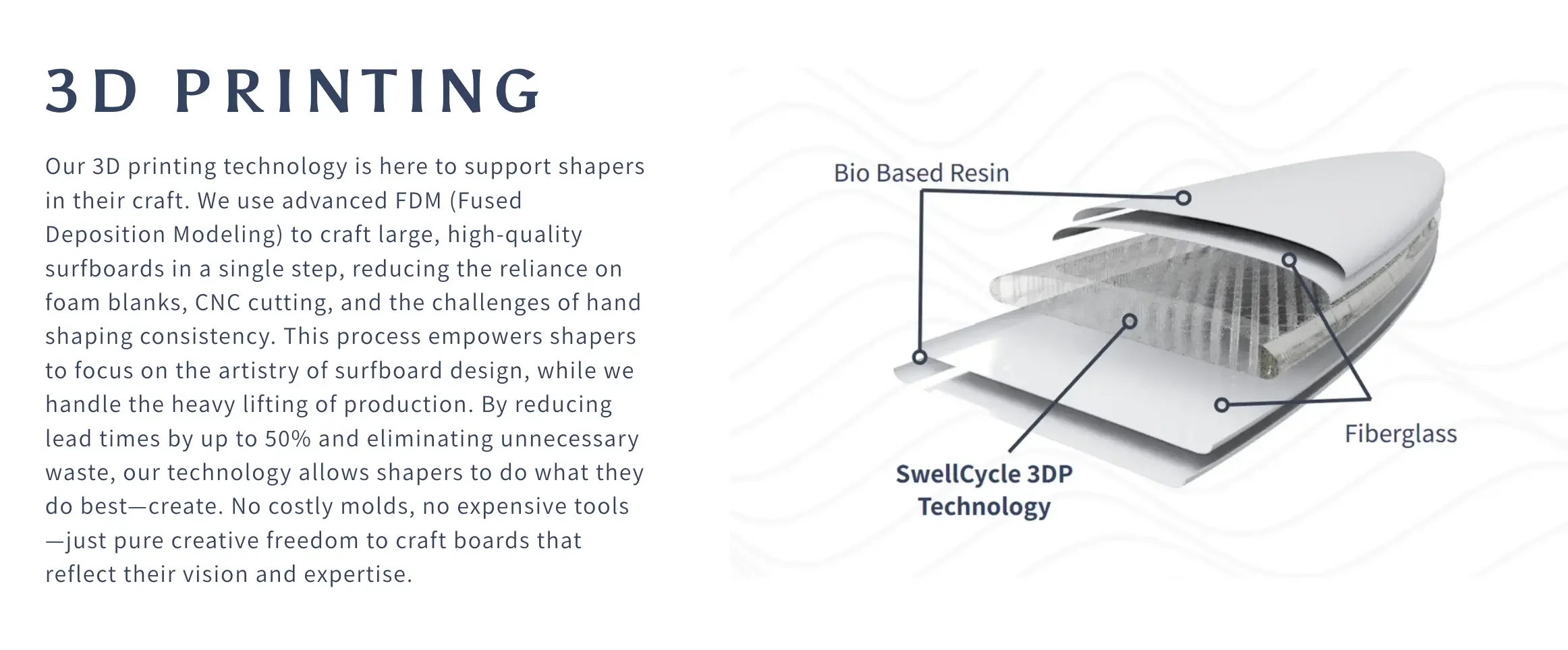
What is different about a Swellcycle 3D-printed core?
Design from the inside out
Unlike a foam blank, a 3D-printed core allows the board to be designed internally as well as externally. Swellcycle can help tune the internal print structure to influence the board’s flex and feel.
Renewable material pathway
Swellcycle uses plant-based material and is committed to low-waste production, including recycling process waste in-house wherever possible.
Hollow construction with venting
Because the boards are hollow, they use a venting system to accommodate changes in temperature and pressure.
Integrated hardware approach
Fin boxes can be printed as part of the board structure and reinforced within the core to improve strength and durability
STEP ONE
Create Your Shape
Using AkuShaper, design your board to specification. Set your Outline, Rails, and Rocker to your liking.

STEP TWO
Build Your Lattice
Tailor the flex and feel. Swellcycle will help you tune the internal structure to your needs.

STEP THREE
3D Print Your Board
Swellcycle prints your board. Printed with precision. Responsible material. Minimum Waste. Ready to glass.

STEP FOUR
Glassing
Glassed in-house by Swellcycle or by your team—it’s up to you.
Additional services
Aku classes
Swellcycle offers Aku-focused classes that help users go from their first design to a file that is ready for print.
3D-scanning
For shapers who work by hand, Swellcycle also offers 3D-scanning services to turn an existing board into a digital file that can be refined, archived, or prepared for future printing.
Interested in printing your Aku file with Swellcycle?